


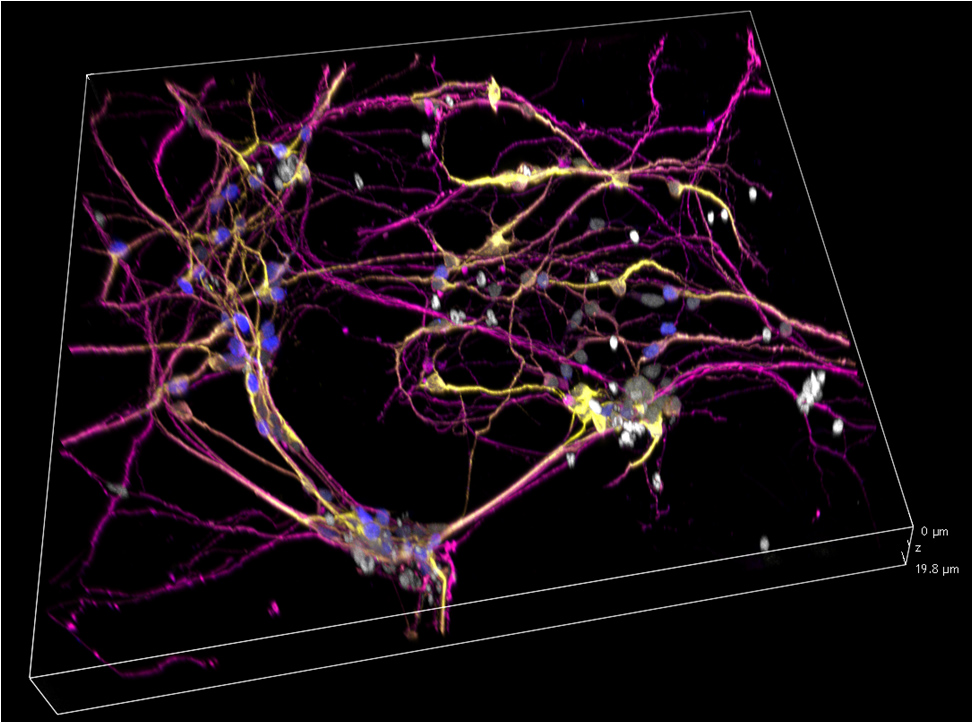

Discover the D-Tails product
BT1
A patented marker for detecting Tau protein in the retina
Revolutionizing Alzheimer’s research with early detection methods
Ready for use by research labs worldwide to track Tau protein in vitro
BT1: Innovative Tau Protein Detection
BT1 is a patented marker specifically designed for detecting phosphorylated Tau protein, a key factor in the development of Alzheimer's disease. The ability to identify Tau protein aggregates in the retina offers a groundbreaking approach to early diagnosis, as the retina reflects conditions in the brain.
This marker is utilized both in research and clinical settings for in vitro testing, enabling the identification of Tau protein in various samples, including retinal tissues from Alzheimer's models and human organ banks. BT1 offers researchers the ability to monitor disease progression from an early stage, potentially aiding in the development of new therapeutics for Alzheimer's and other neurological conditions.

Key Features
Explore the unique features that make BT1 a powerful tool for Alzheimer's research and Tau protein detection.
Retina-Based Detection
BT1 enables the detection of phosphorylated Tau protein aggregates in the retina, offering a non-invasive and early diagnostic method for Alzheimer’s disease
Patented Technology
BT1 is built on patented technology, developed and validated for accuracy in tracking Tau protein, ensuring reliable results for research applications
In Vitro Applications
Suitable for in vitro testing with both live and fixed cells, BT1 is widely used in Alzheimer’s models, such as mouse retinal studies, to observe disease progression
Research Collaboration
Universities and research labs worldwide, including those in California, the Netherlands, and the UK, are utilizing BT1 for advanced Alzheimer’s studies
Versatile Sample Compatibility
BT1 can be used with samples from organ banks or tissue cultures, offering flexibility in research with human tissues and experimental models
Cost-Effective Solution
BT1 offers a cost-effective option for researchers, making it accessible to a wide range of laboratories without compromising on performance or quality
The standout feature of the BT1 is its ability to detect phosphorylated Tau protein aggregates in the retina, providing a non-invasive and early diagnostic tool for Alzheimer’s disease. This groundbreaking capability allows researchers to monitor disease progression in real-time, long before traditional neurological symptoms appear.
Additionally, BT1’s versatility in both live and fixed sample applications makes it an indispensable asset in Alzheimer’s research, offering precision and reliability in tracking Tau protein in various in vitro models, including human tissues and organ banks.
Applications
Alzheimer’s Disease Diagnosis
BT1 enables early detection of Tau protein aggregates in the retina, offering a groundbreaking method for diagnosing Alzheimer's disease before significant neurological symptoms appear.
Neuroscience Research
BT1 is an invaluable tool in Alzheimer’s research, facilitating the study of Tau protein in in vitro models, including mouse retinal studies and human tissue samples, to track disease progression.
Pharmaceutical Development
By providing a reliable marker for Tau protein, BT1 assists in evaluating the efficacy of new therapeutics targeting Alzheimer’s disease, enabling researchers to monitor disease progression and response to treatment in preclinical studies.
Real-World Application: Early Alzheimer’s Detection
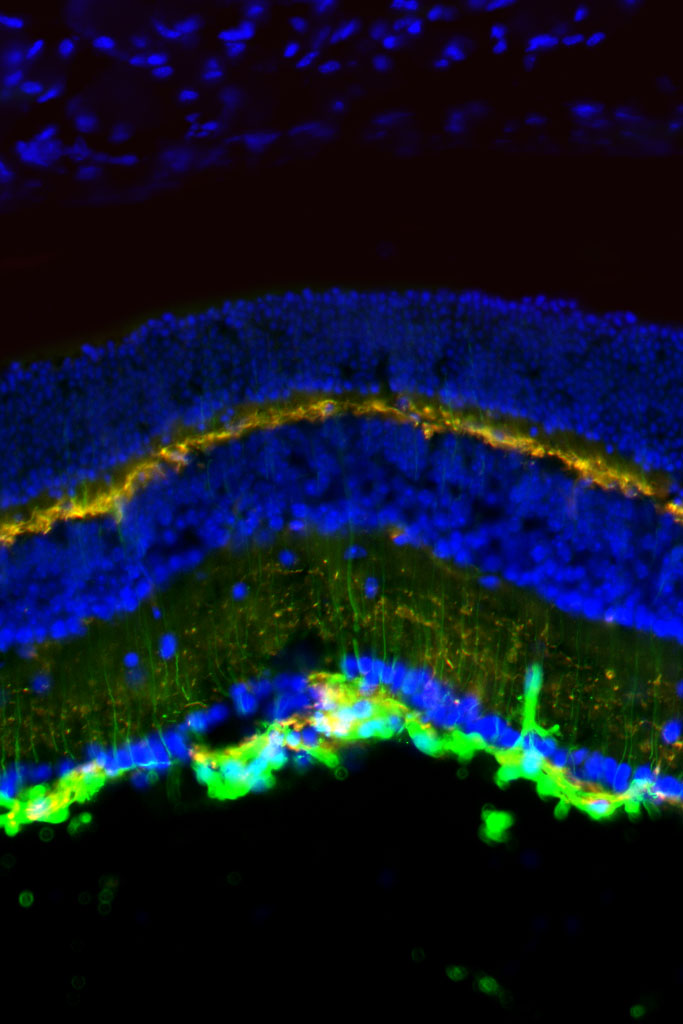
BT1 has been instrumental in early Alzheimer’s research, particularly in detecting Tau protein aggregates in retinal tissue. In one study, researchers used BT1 to examine the retinas of Alzheimer’s model mice. The marker highlighted Tau protein deposits, allowing scientists to track the progression of neurodegeneration.
By using BT1, researchers were able to identify the presence of Tau protein in the retina at much earlier stages than conventional behavioral methods. This application of BT1 demonstrates its potential as a critical tool in Alzheimer’s diagnosis and therapeutic development, offering a non-invasive way to monitor disease progression over time.
Transform Your Research with BT1
Ready to upgrade your lab’s capabilities? Contact us for a demo or more information on BT1.